ARII L
Bring the energy to every touchpoint. Somewhere to be transported to.
Our starting point is simple. A photograph, thirty seconds of a set, the website on a Tuesday afternoon: every touchpoint should carry something of what the room felt like.
The name is new, so the story is still open. We're after a few thousand of the right people and a long run of beautiful rooms.
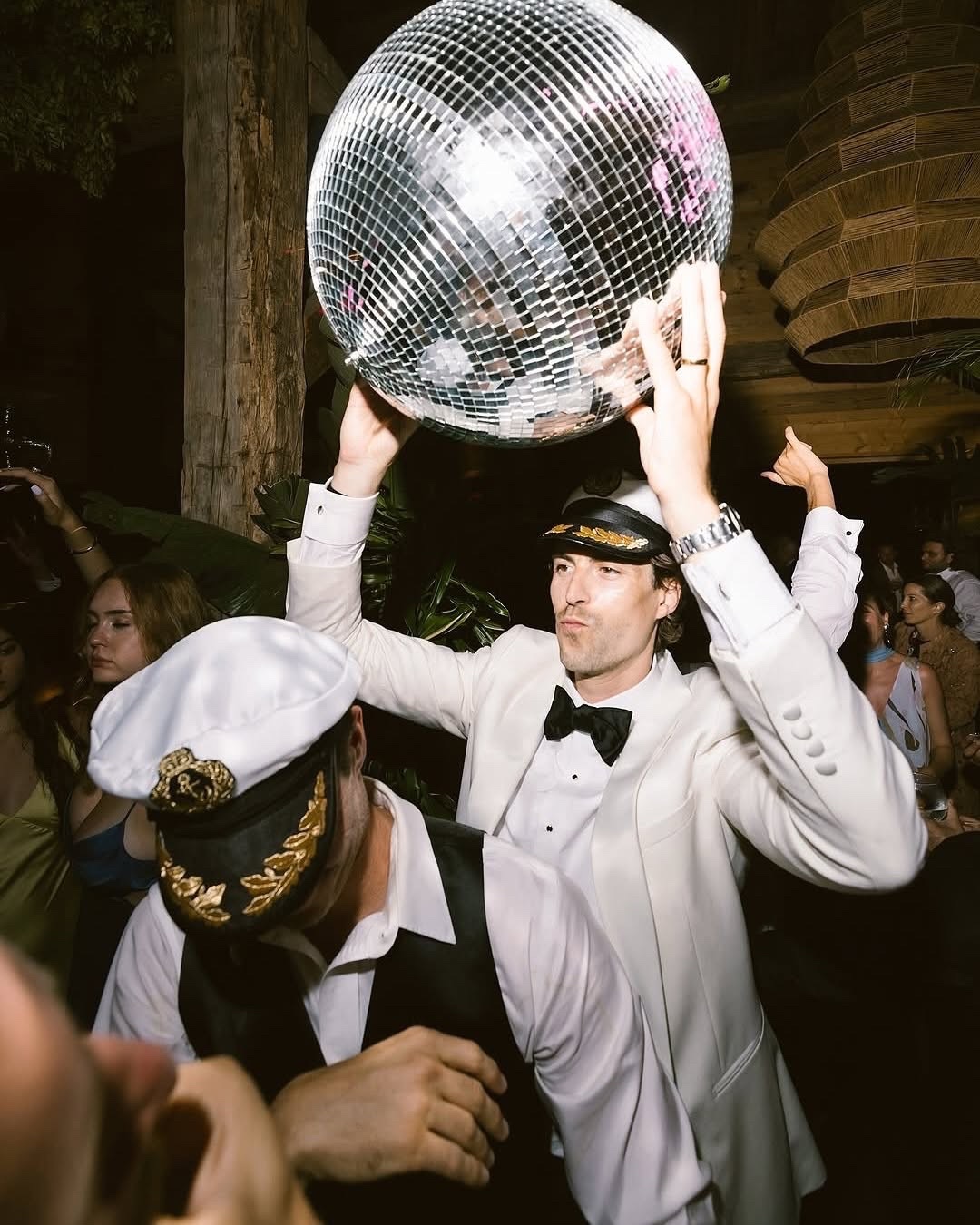
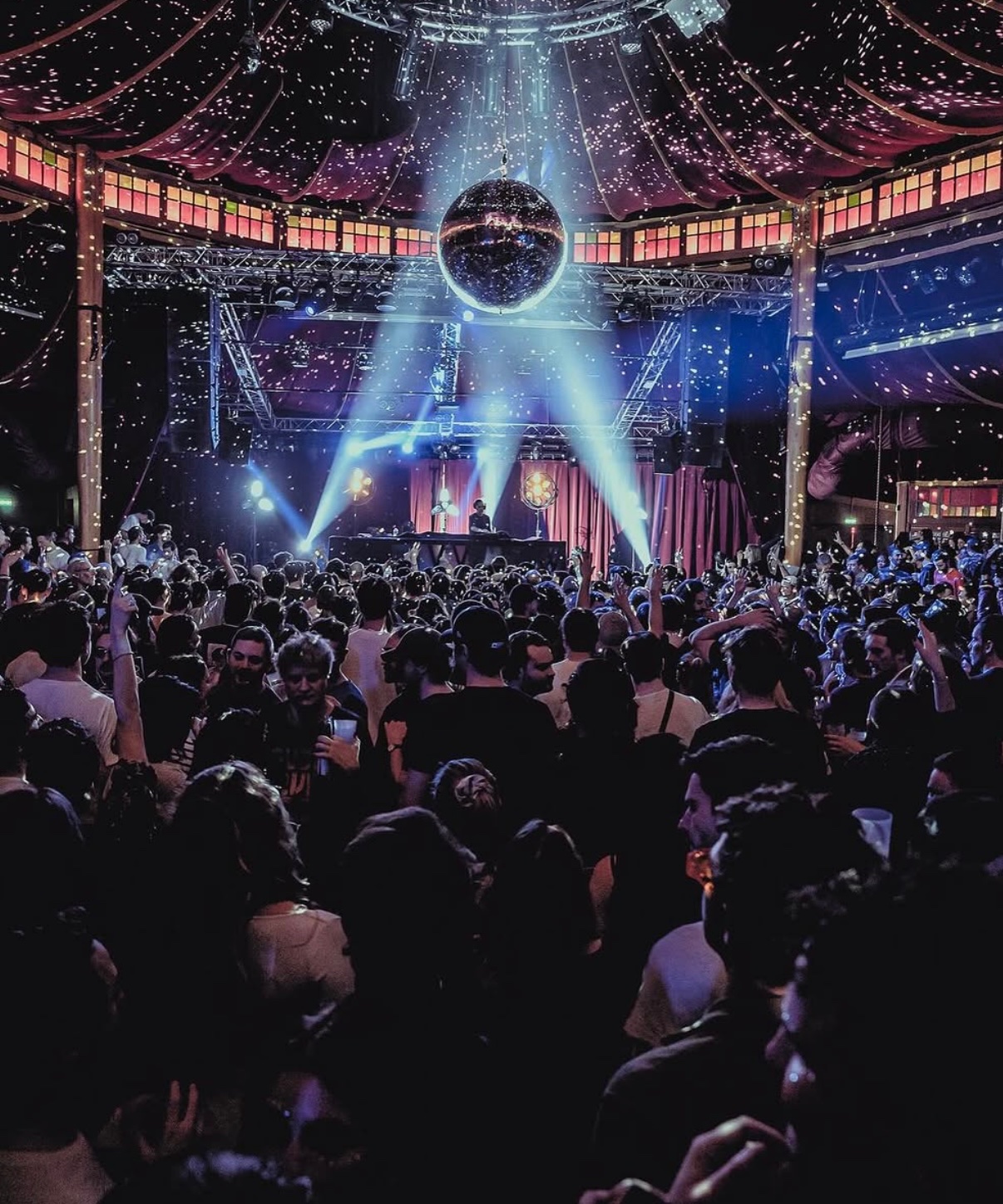
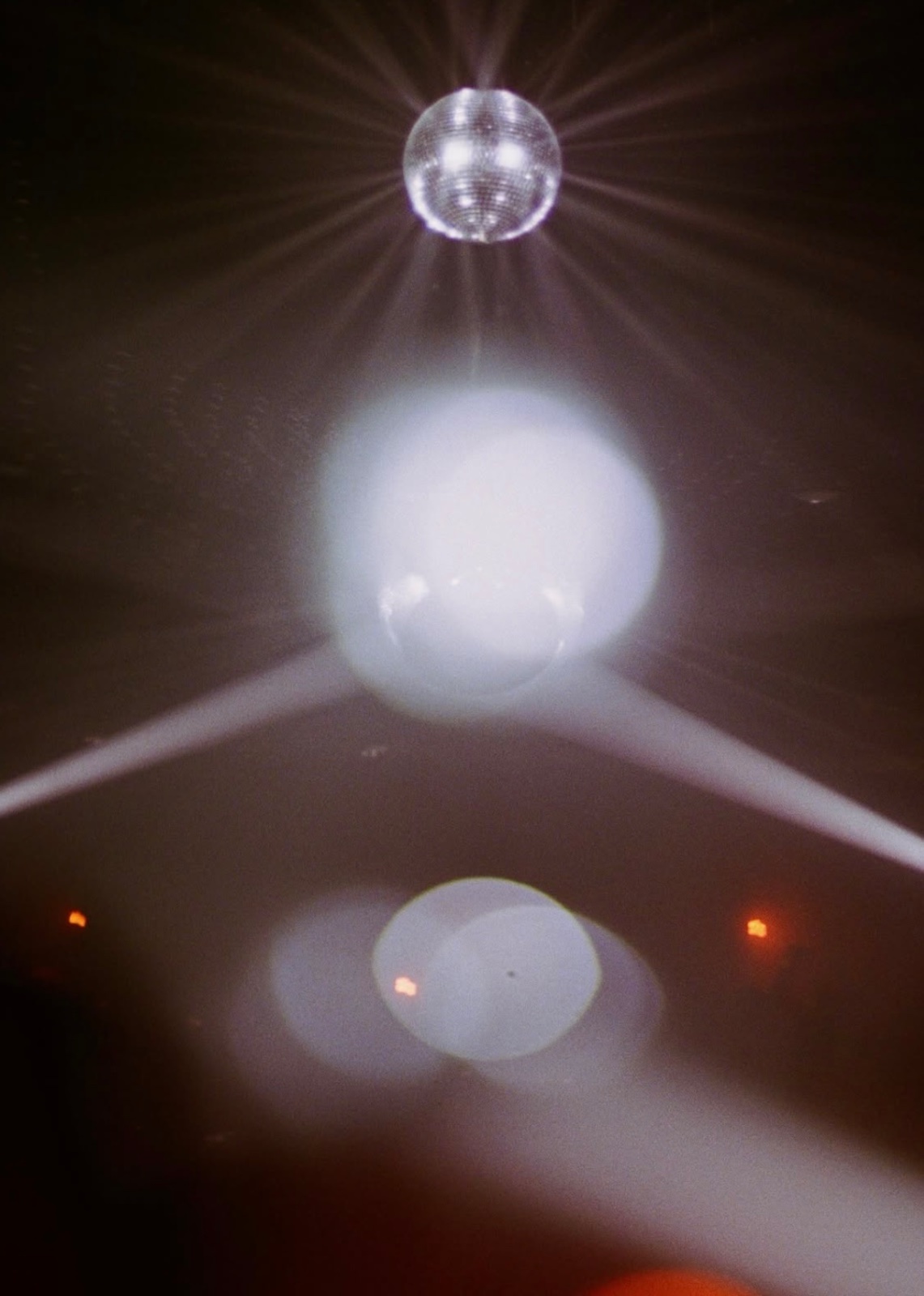
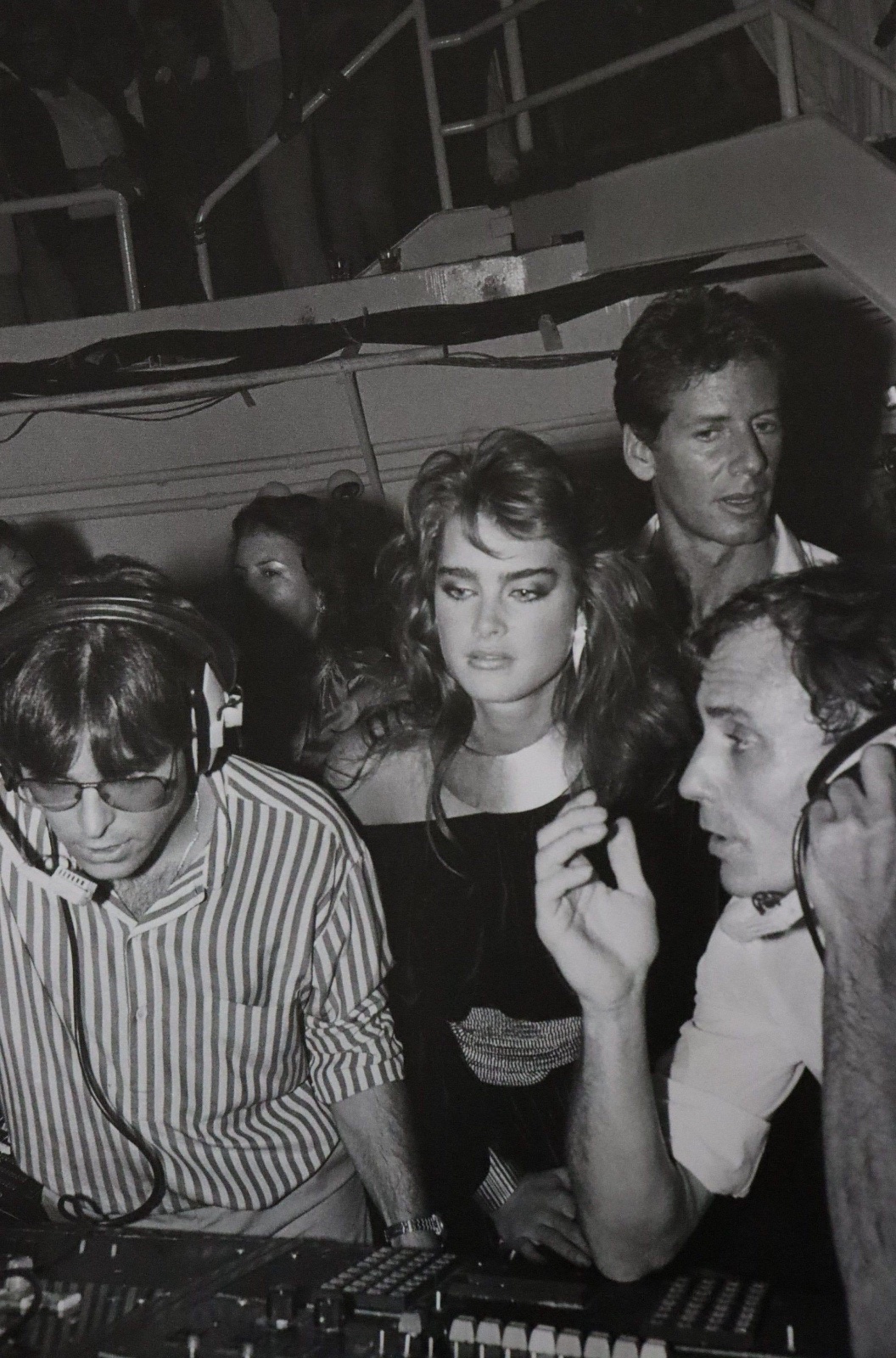
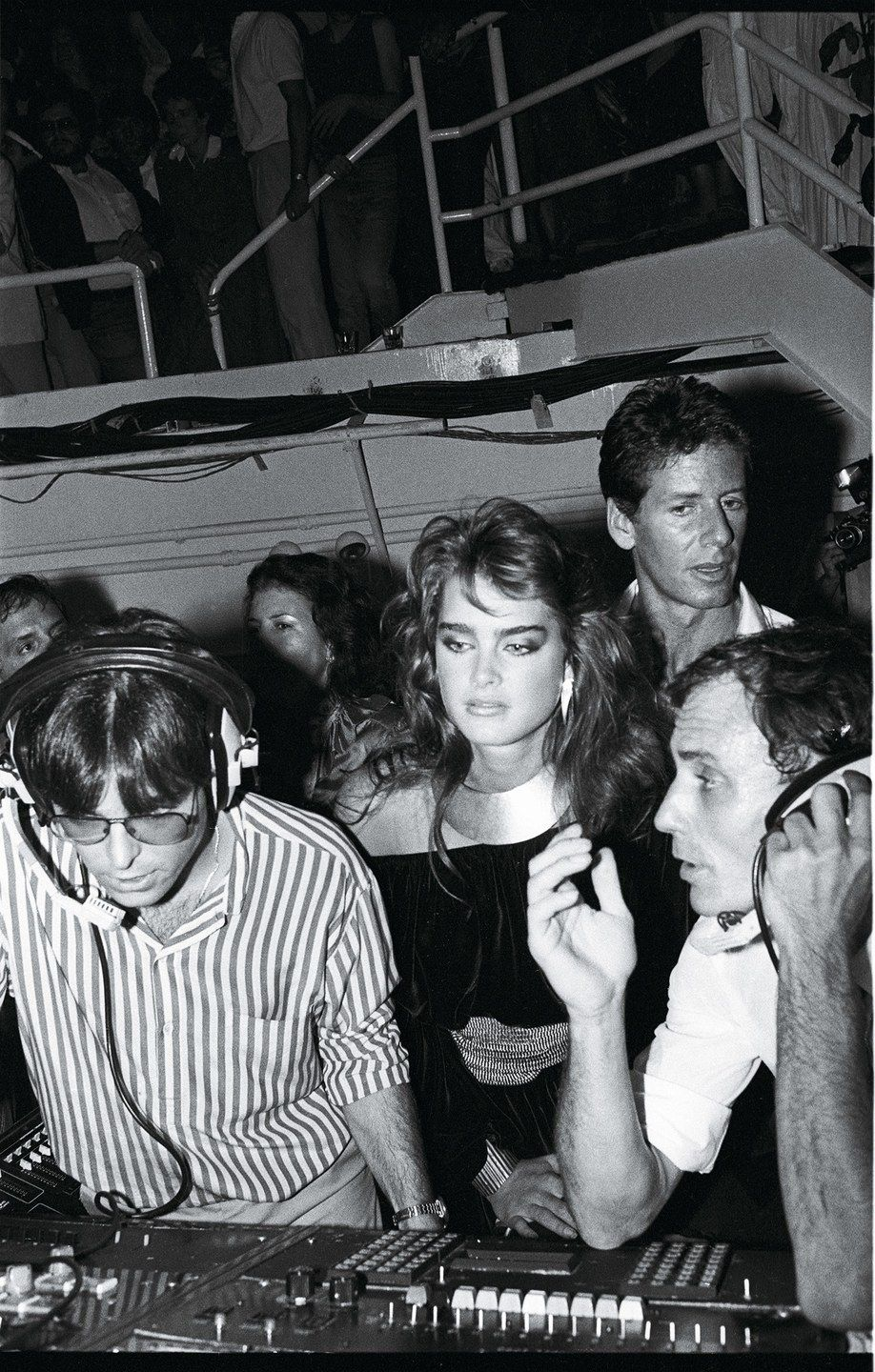
Years of knowing these rooms. Now a new chapter behind the decks.
Most DJs spend a career trying to get into rooms like these. You already know them, and the years spent in them taught you what makes a night lift and what makes it fade. That instinct is what a venue is really booking.
The humour helps. He imagines his grandchildren one day saying "can't believe that guy was cool once', and it lands because he's the one still going.
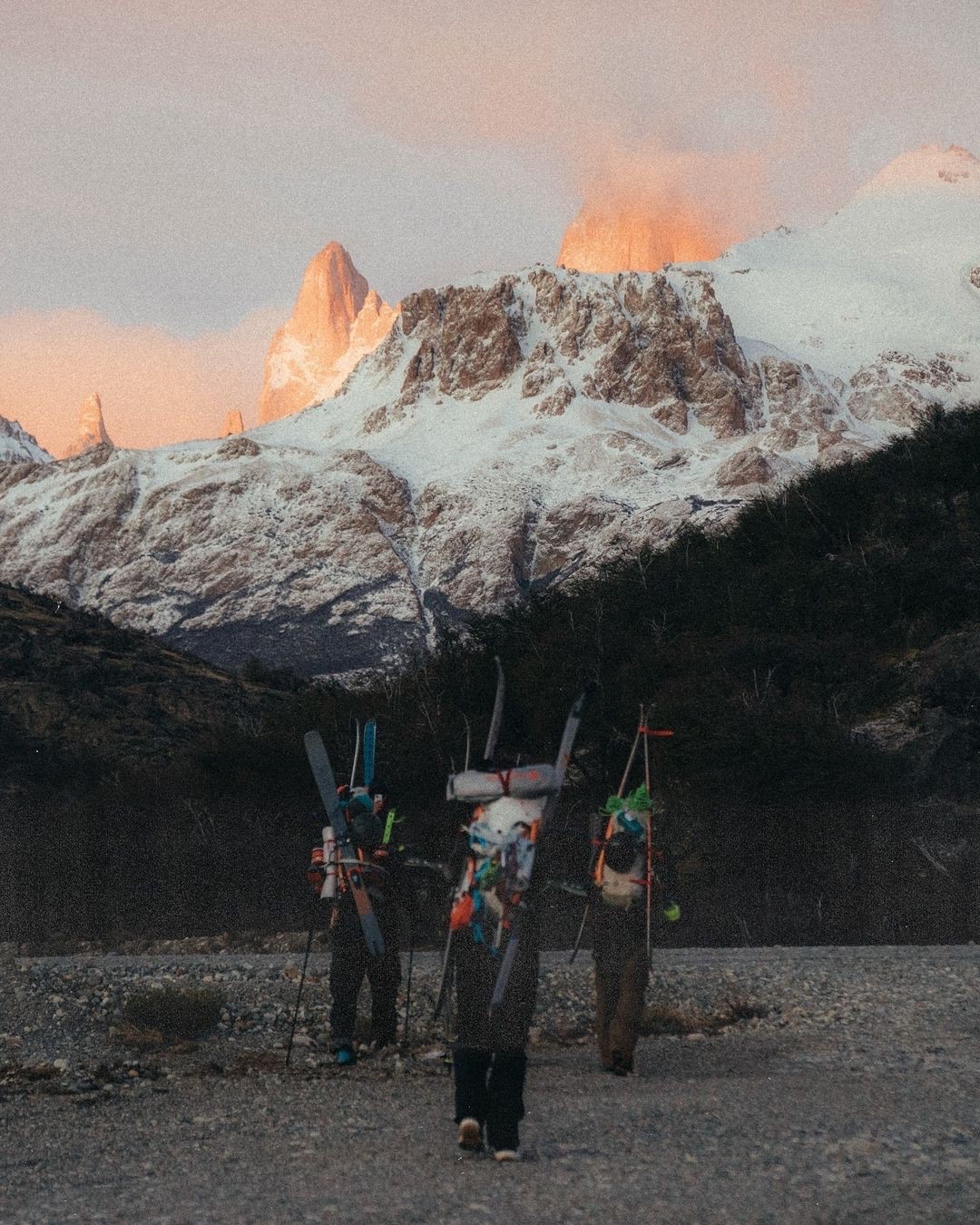
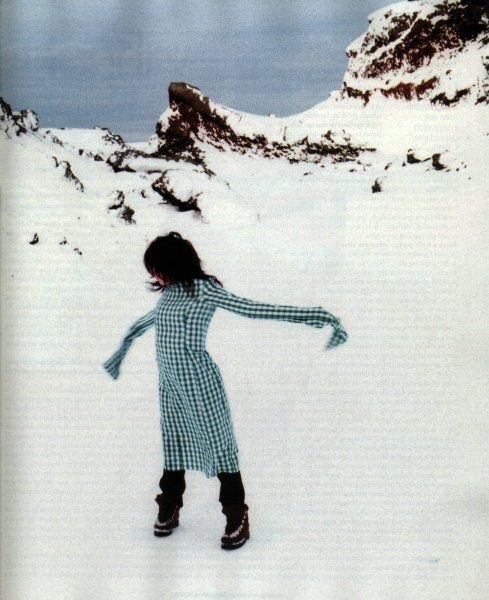
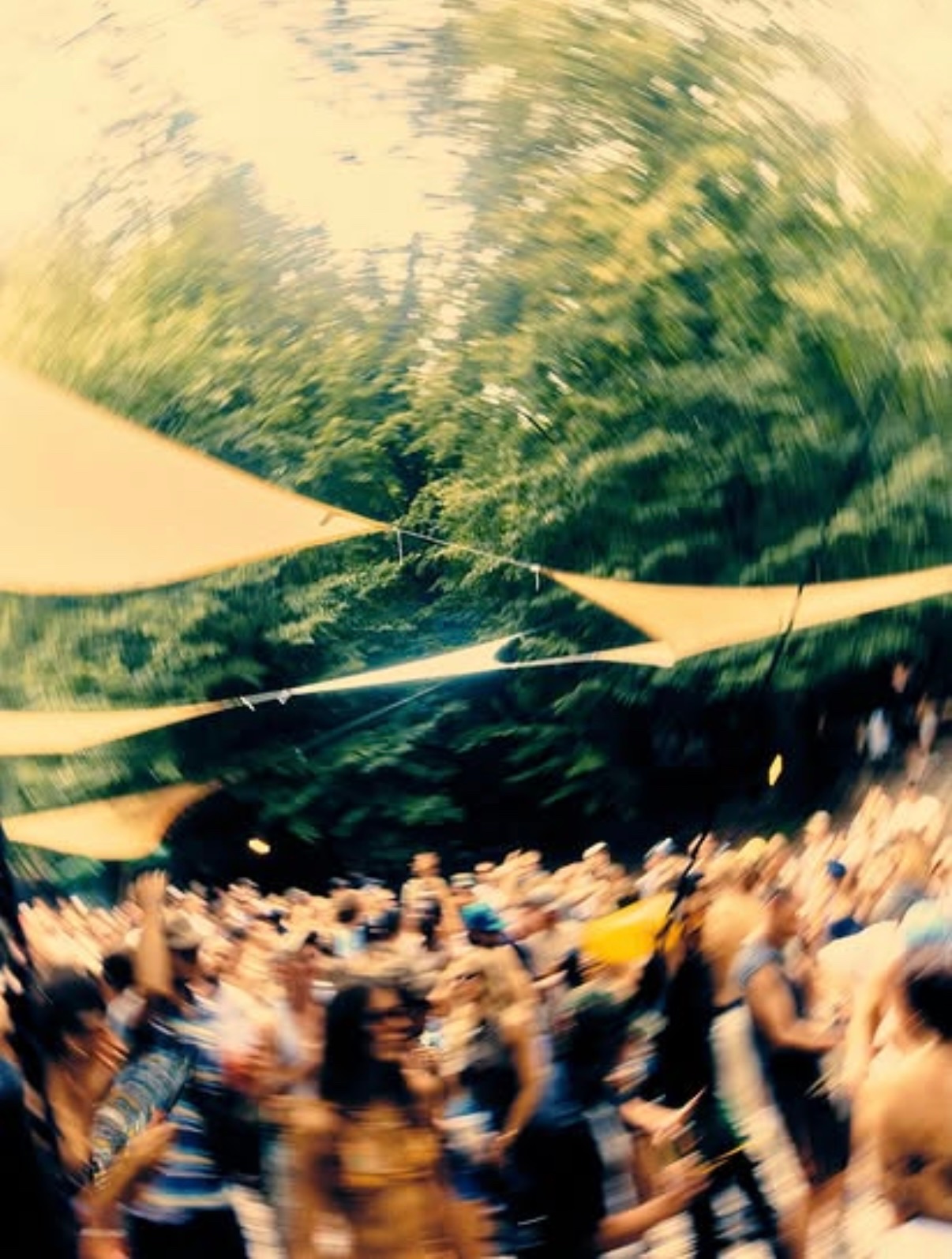
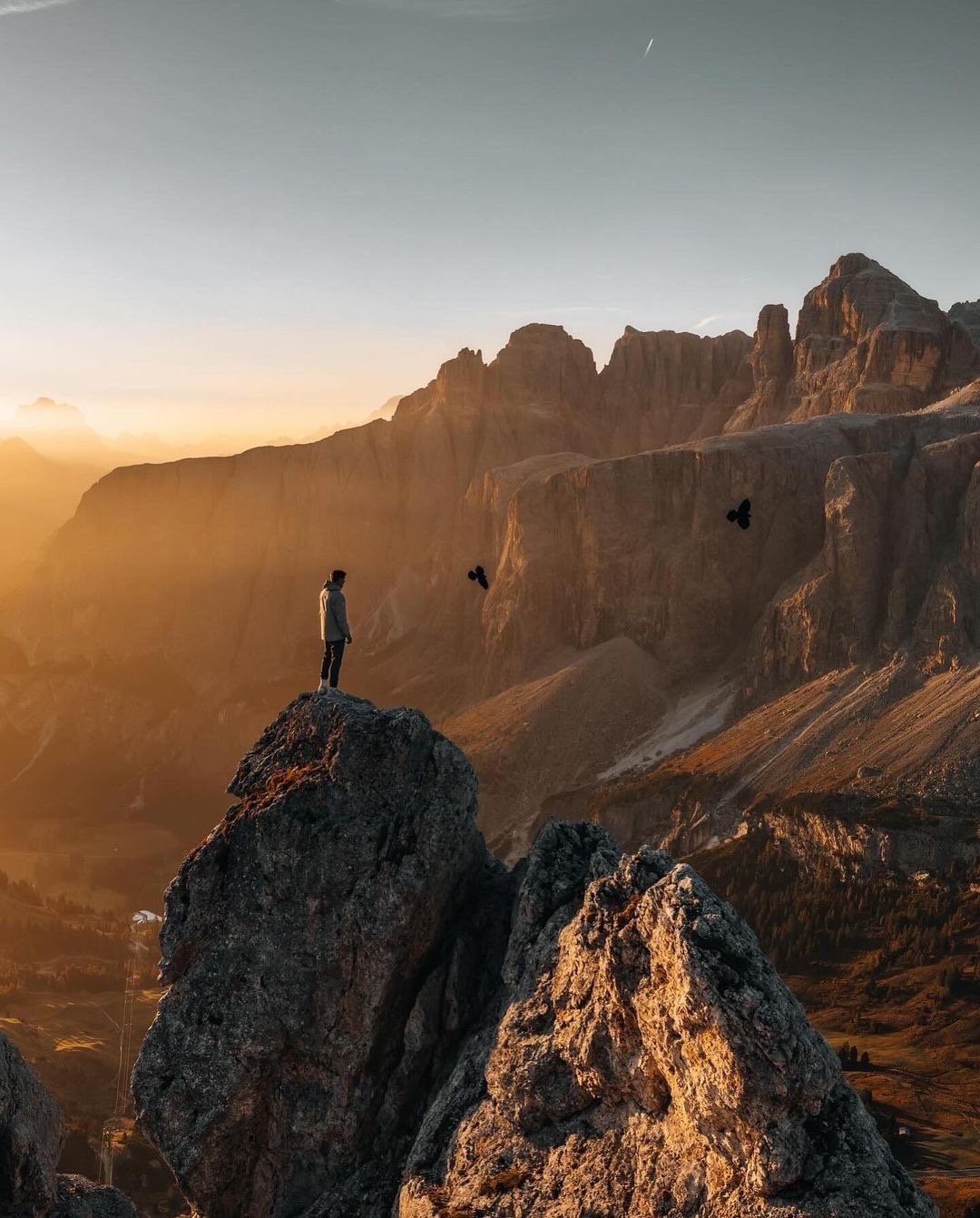
The mountains
at first light.
Times worth remembering.
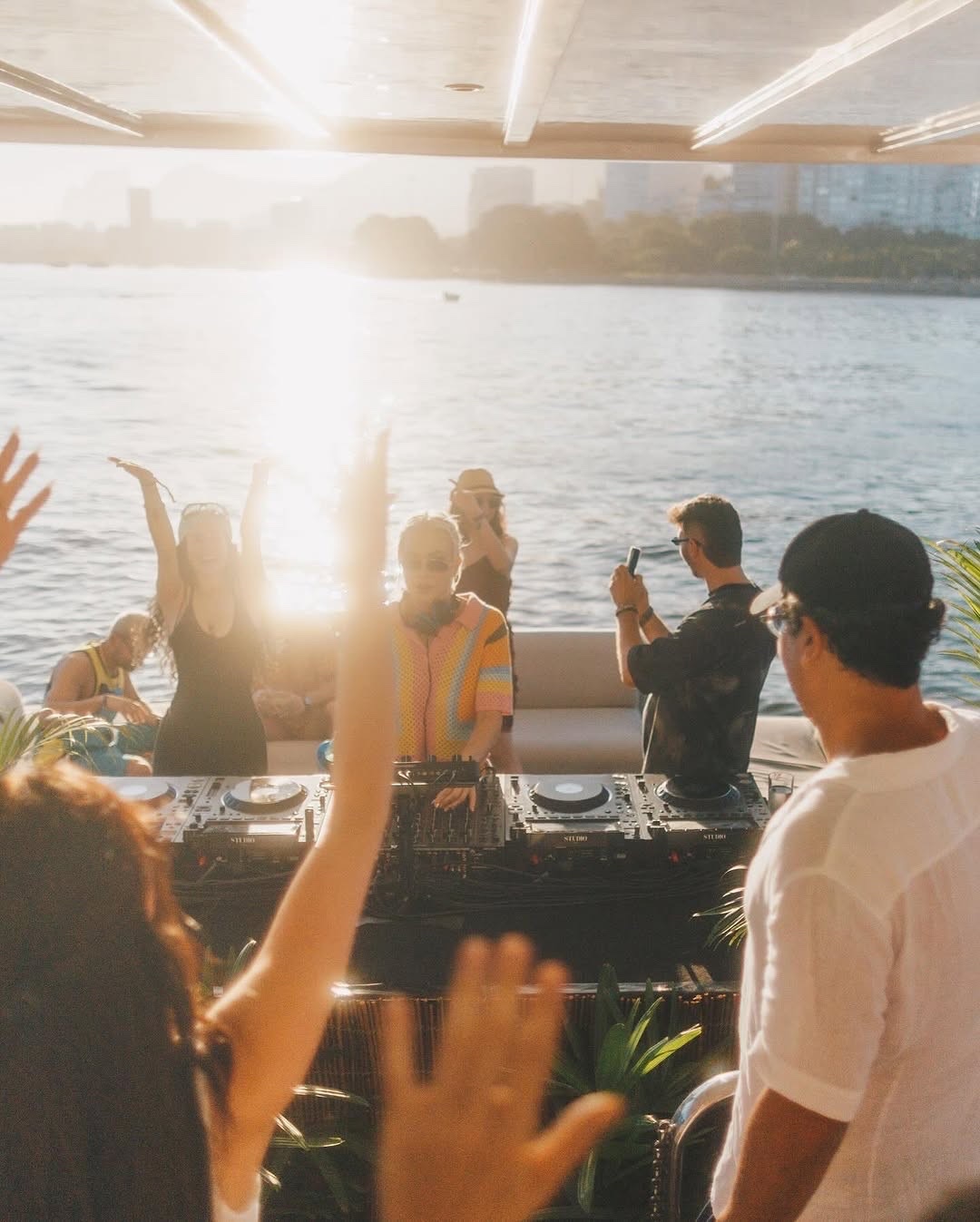
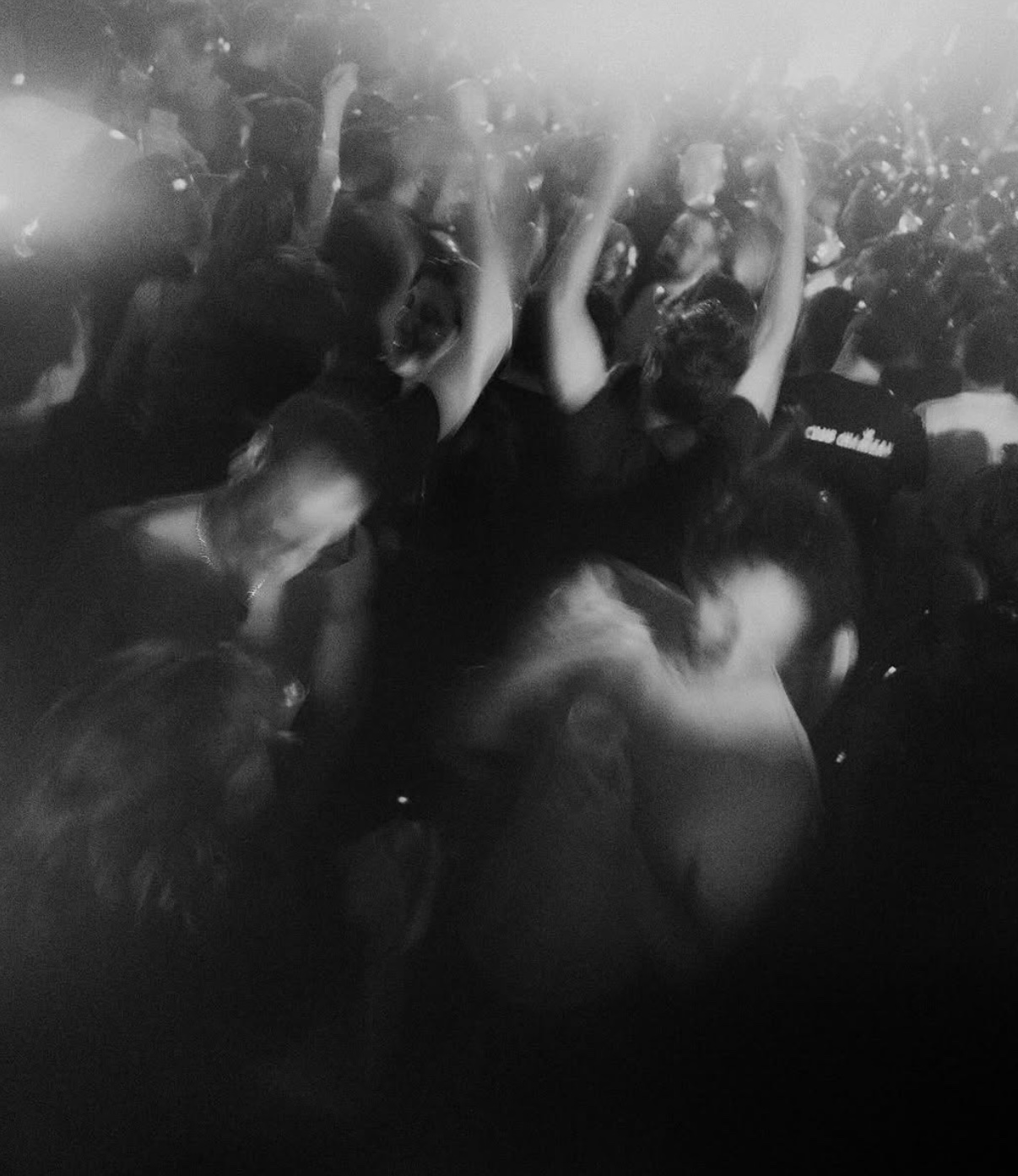
Every room has something going on before a record is even playing. People dancing near each other, meeting for the first time, excitement in the air. That energy is the material.
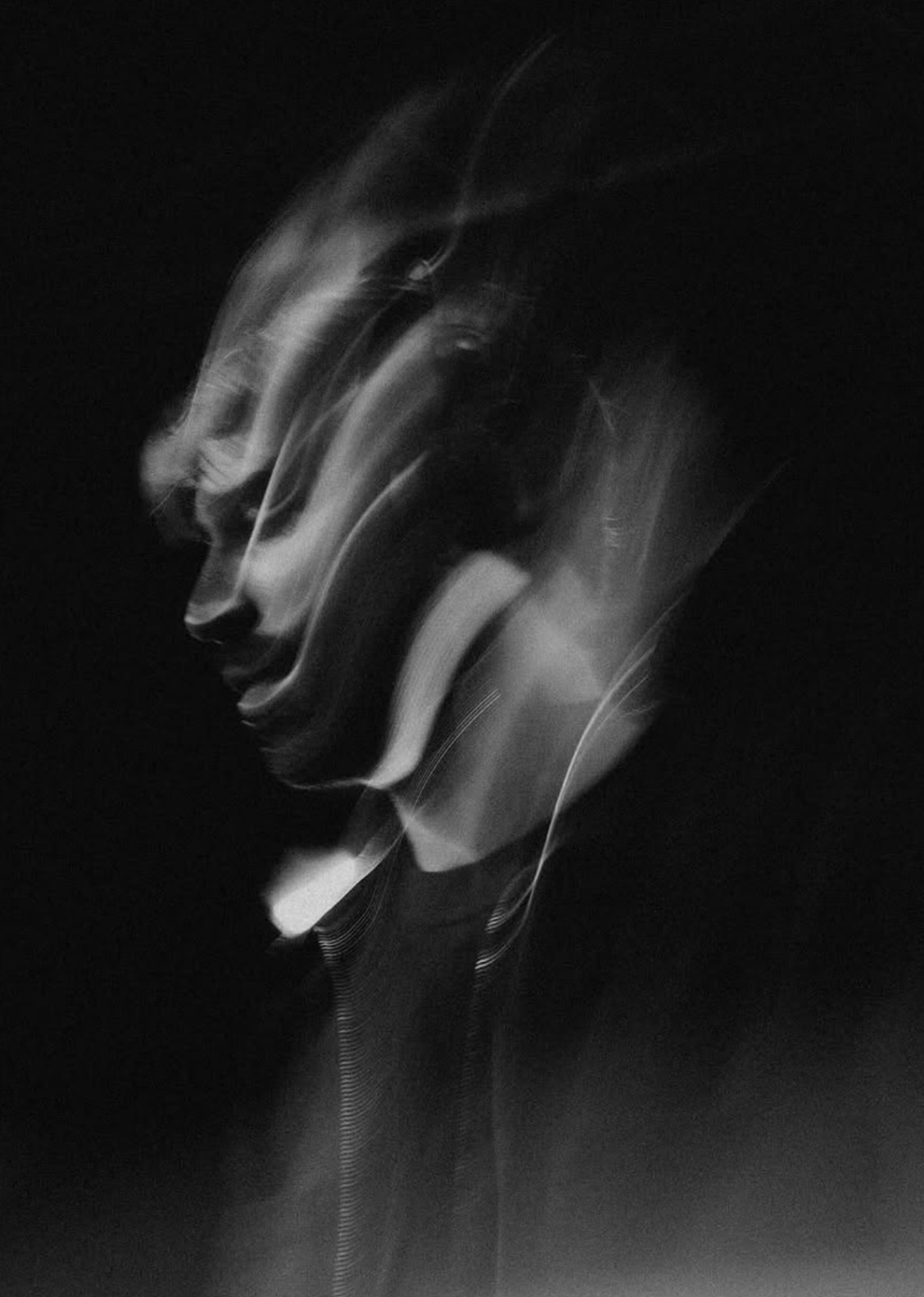
Underneath it runs a charge, in the gap between people who haven't spoken yet. A disco record nobody expected at four in the morning. Two people finding each other halfway through a track neither of them knows the name of.
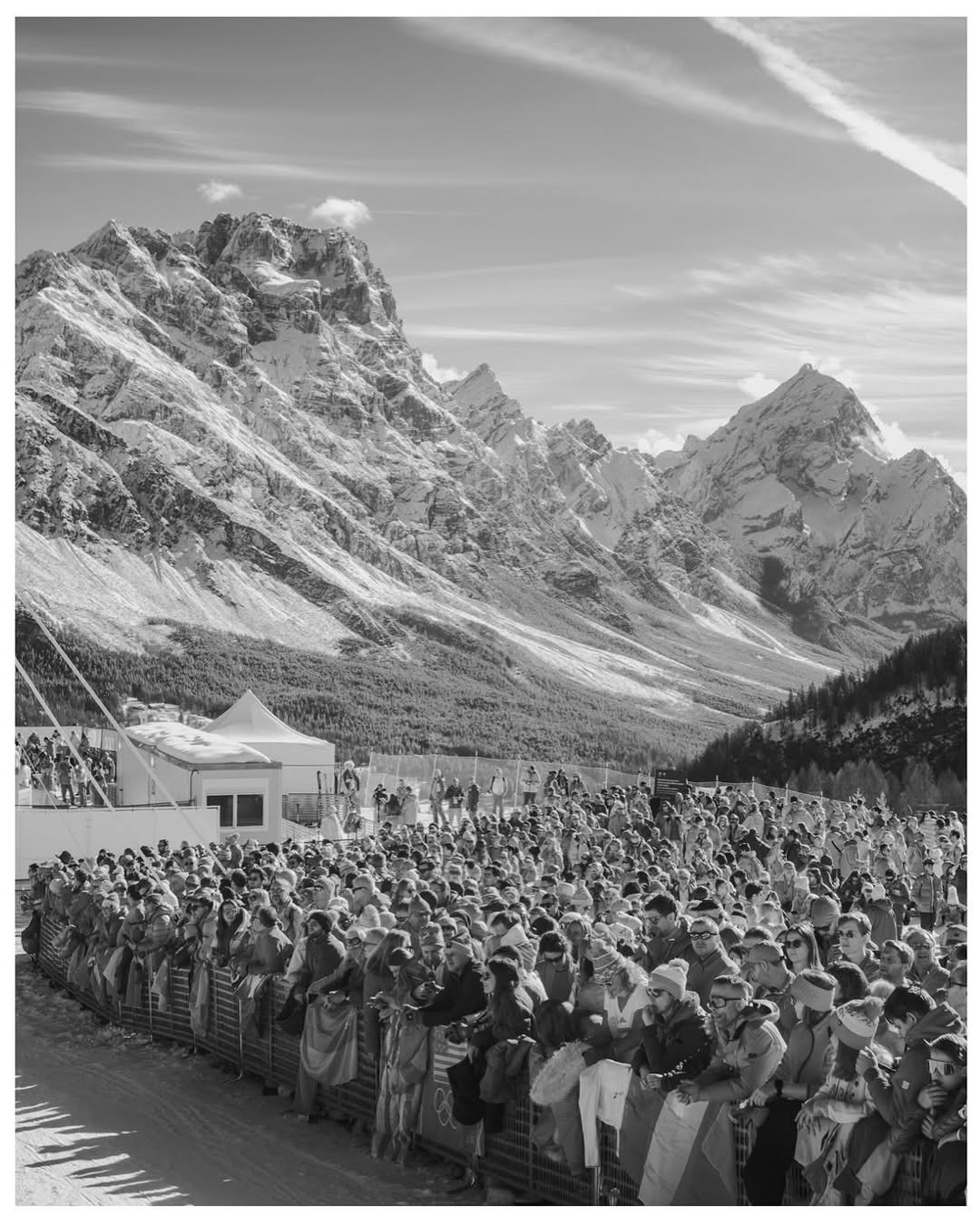


Why that night?
The song holding this room is about what happens between people. You've played it in Ibiza, in a London basement and on a mountainside at sunrise, and it lands the same way every time.
Those are the stories we want to tell. Who was there, who met who, and why somebody still thinks about it. The set list matters far less.
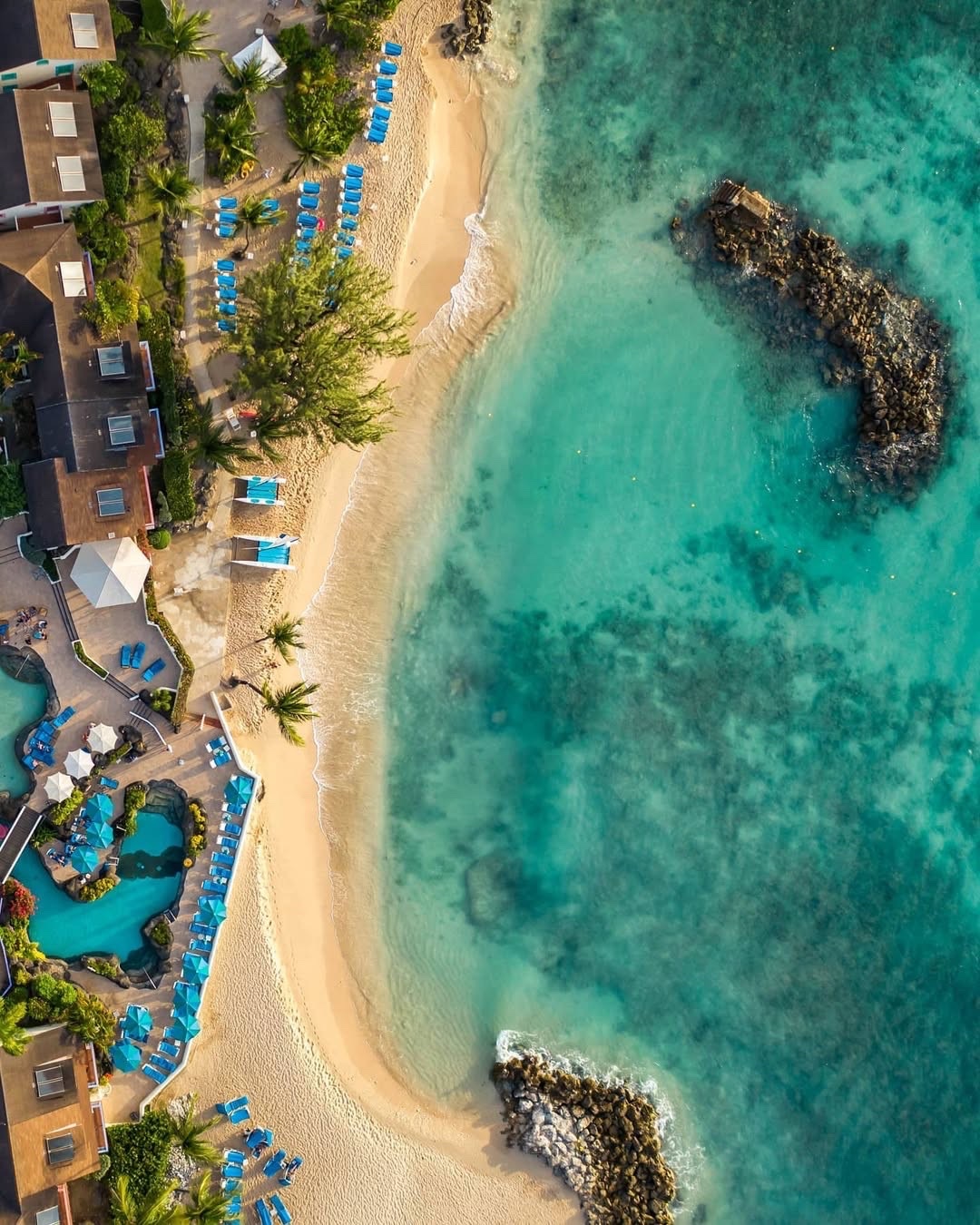
Marbella by
day and night.
A room of your own.
Instagram takes the stories out; the website is where they live. It's the link you send when a club's events director wants to know who they'd be booking.
We'd give it two jobs: convince someone inside half a minute, then make it easy to listen, follow or get in touch.
Listening Rooms.
We'd build each room as an atmosphere: a place with a playlist and a story attached, put together the way you'd actually play music for someone. With headphones on, it wraps around you. Further down the line the same rooms could be built in VR, so people stand inside them rather than scroll through them.
We'd start with three and add another whenever there's one worth adding. Each one gives people a reason to come back. A shop can come later.
The next rooms and how to get in.
Plus a small email address at the bottom of the page for anything else.
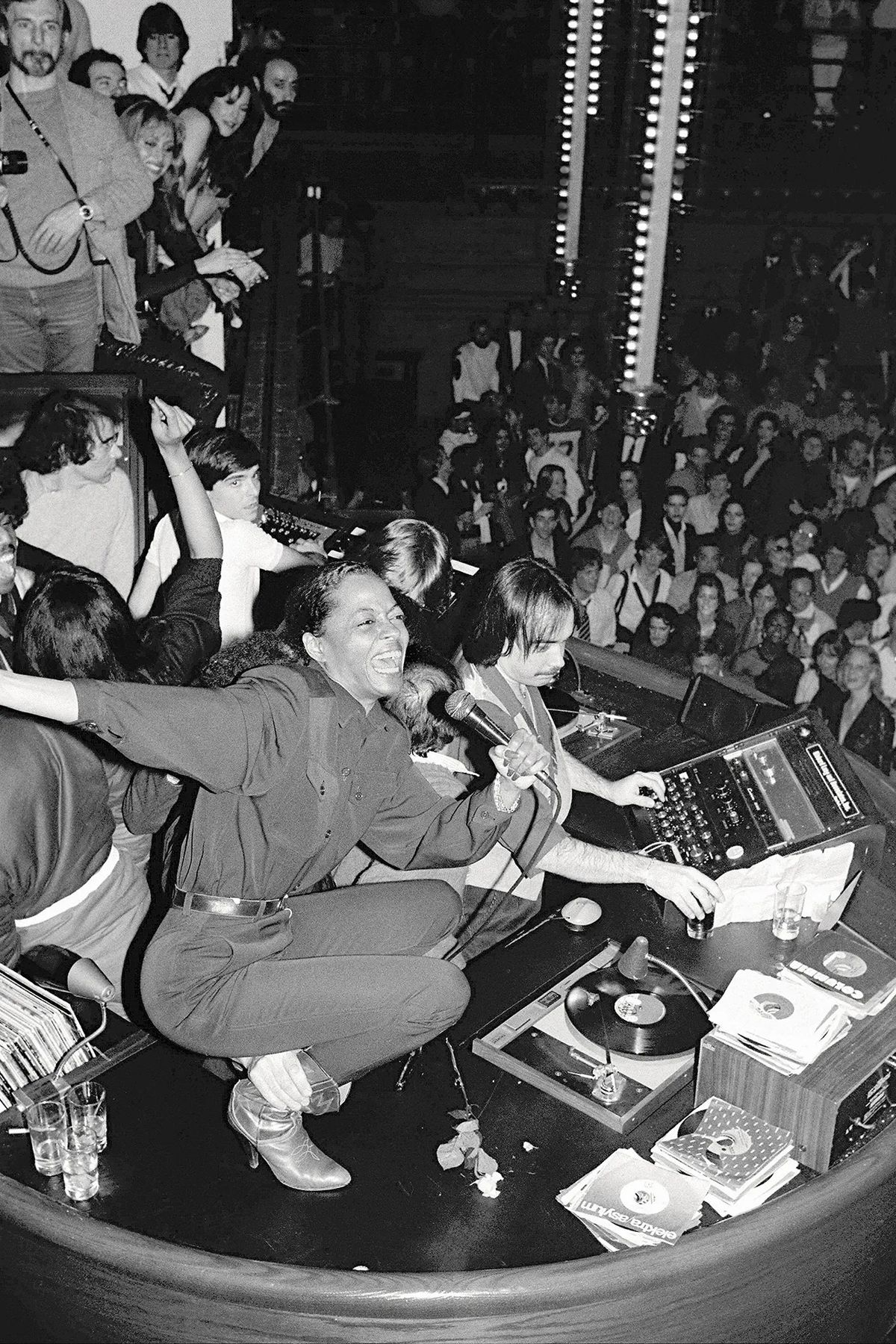
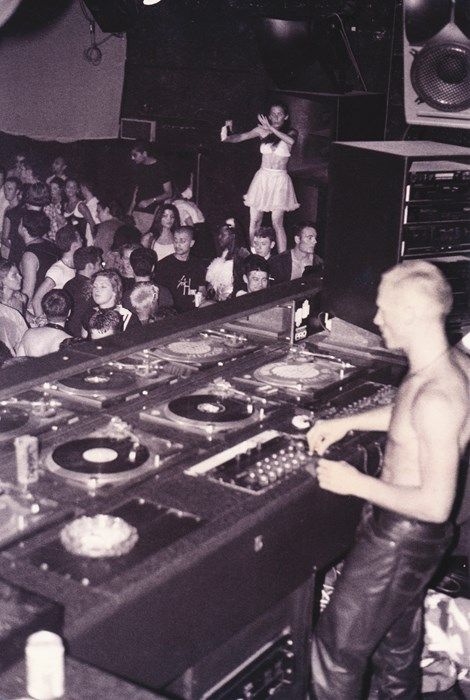
London
after midnight.
An extension of the rooms.
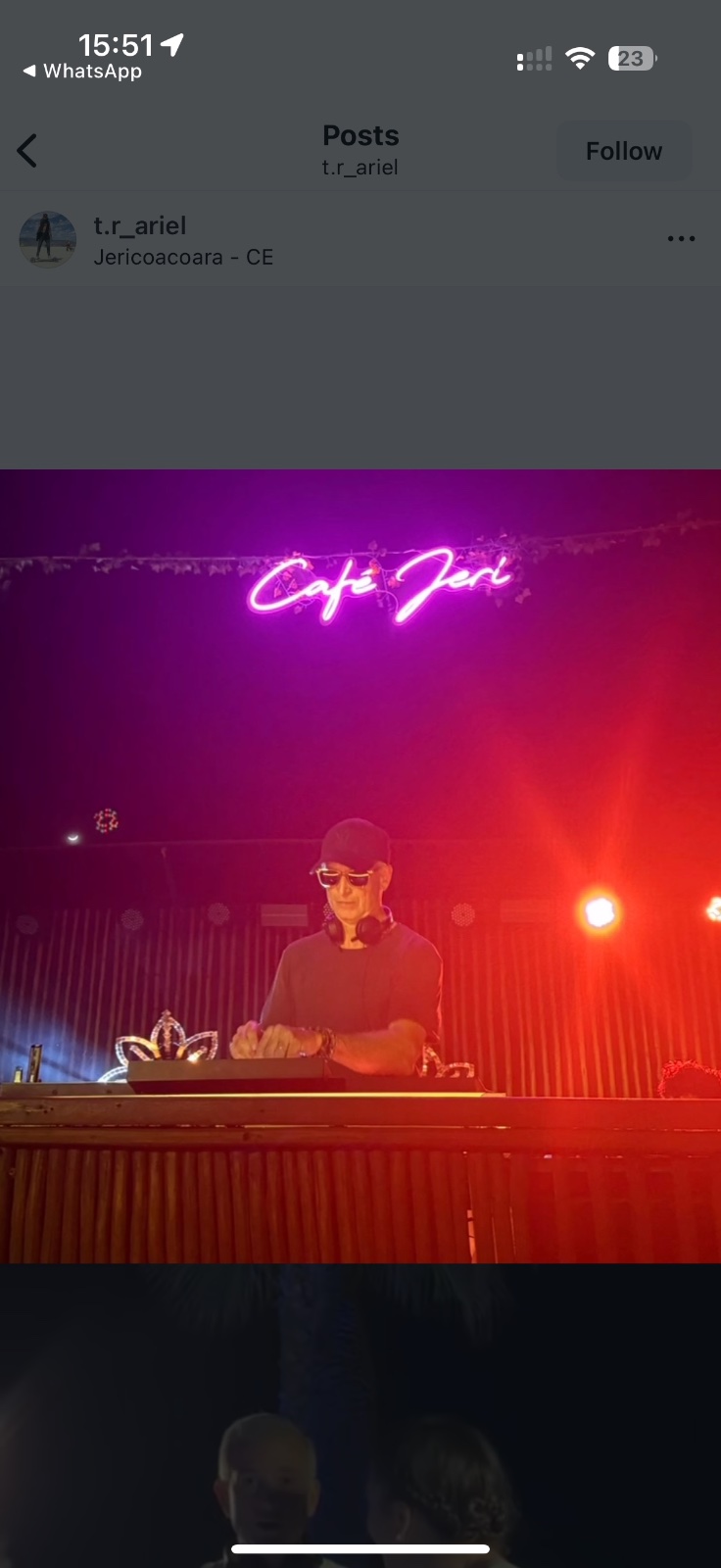
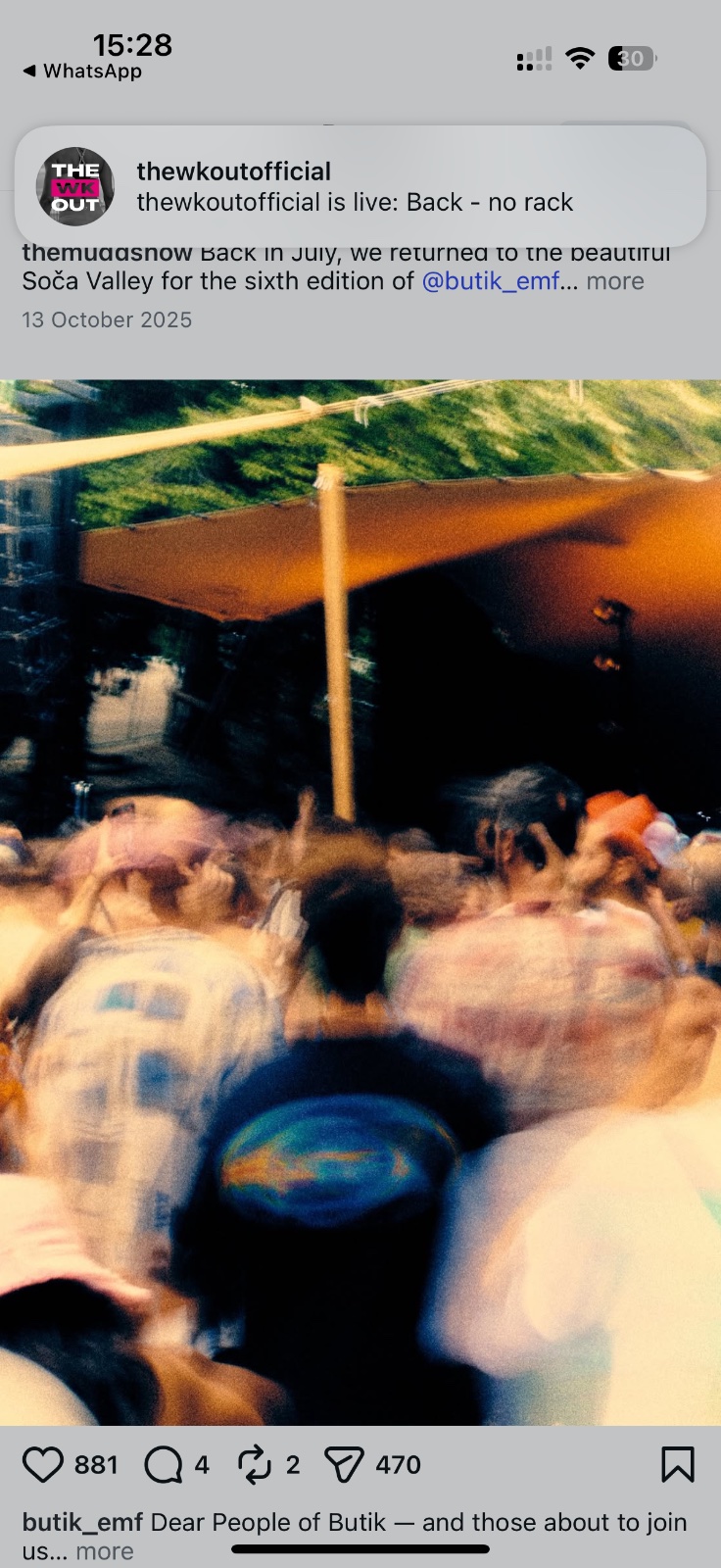
We'd treat the grid as the place each night gets retold. The light, the people, the record that held it together. It goes up when there's something worth posting rather than on a schedule.
Every post should read like a page from the same book the website is writing.
Our role is to build the system rather than run it. We'd write the guidelines and layout rules: which posts go where, how the archive is used, how captions sound, what the palette allows. Once that exists you can post it yourself, or we can help you find someone to take it on.
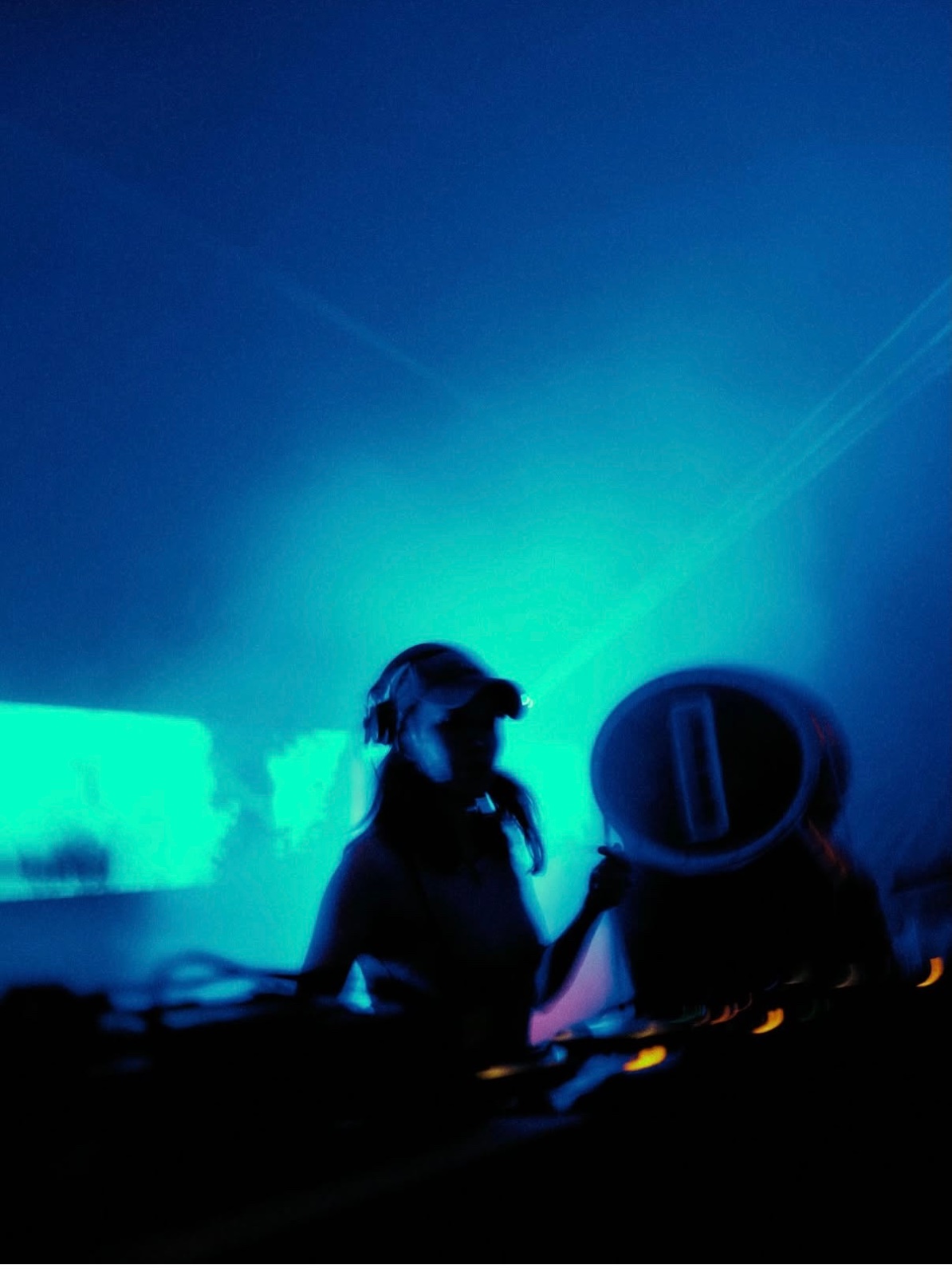
The morning
after.
The order we'd work in over the first year: get the foundations right, learn what people respond to, then start opening doors.
Where the work can lead once there's an audience and a body of material behind it, roughly in the order they become realistic.
None of this is set in stone. Tell us what you like, what you don't, and where you'd want us to go deeper.
made with care for ariel
How we
build it.
Each phase stands on its own and ends with something finished, and nothing starts until you've signed off the one before. That keeps the scope honest and the decisions with you.
If phases one and two look right, we could start within a fortnight. If they don't, tell us what to change and we'll rework it.